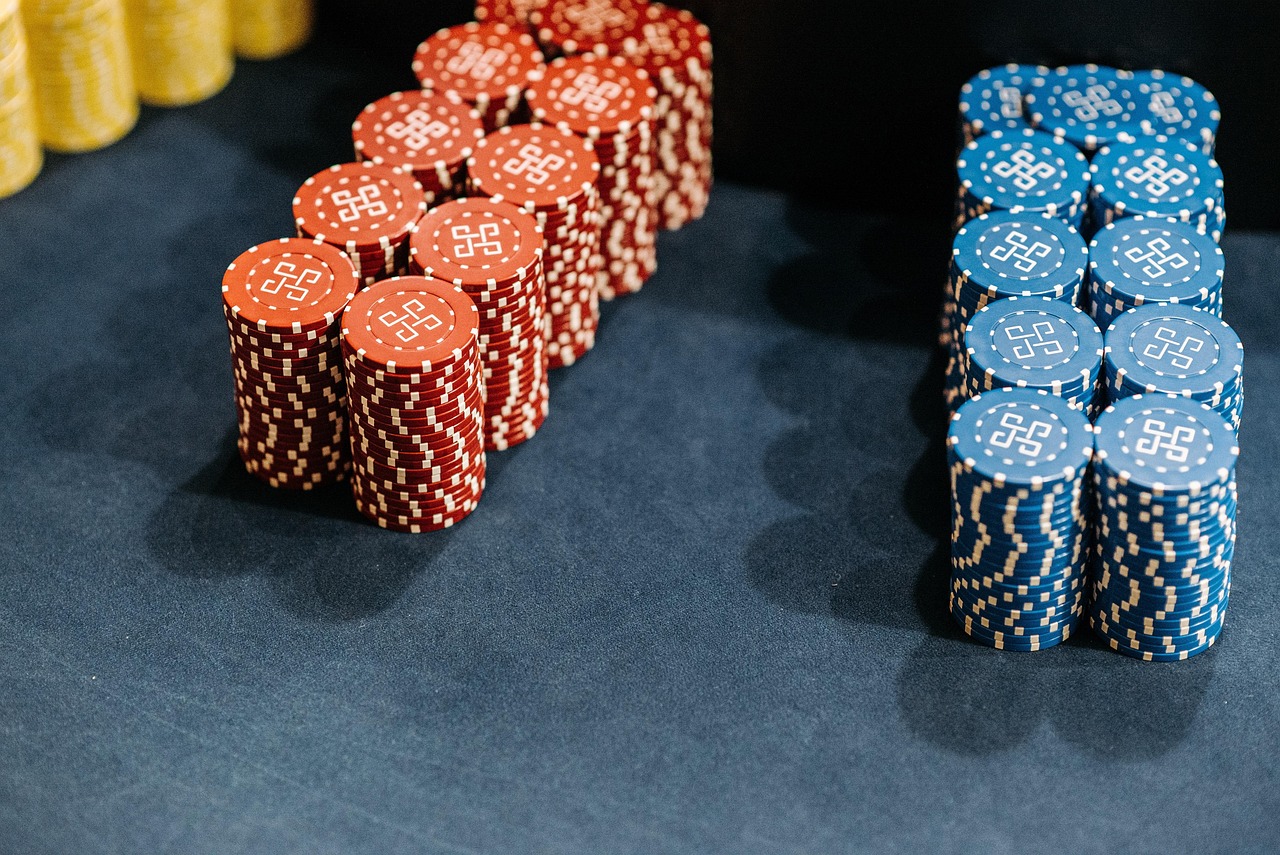
Colour up, hand signals, the cut card, the toke, third base — the terms and unwritten procedure every table player is assumed to already know.
I. The people at the table
| Term | Meaning |
|---|---|
| Dealer / croupier | Runs the game, pays and collects bets. "Croupier" is the French term used at roulette and baccarat. |
| Boxman | The seated supervisor at a craps table who guards the chip bank and settles disputes. Covered in full in the Canon entry. |
| Floorperson / pit boss | Supervises several tables in a pit, rates players for comps, and authorises larger payouts. |
| Stickman | The craps crew member who pushes the dice with a curved stick and calls the roll. |
| Eye in the sky | The overhead surveillance system. The reason hand signals exist. |
II. Chips, money and the cage
| Term | Meaning |
|---|---|
| Buy-in | Exchanging cash for chips at the table before you play. |
| Colour up | Trading many small chips for fewer large ones, usually when leaving. Ask the dealer. |
| Cheque / check | The industry's own word for a casino chip. |
| Toke | A tip for the dealer — placed, not handed over. |
| Marker | A line of casino credit drawn against a player's account. |
| The cage | The cashier's window where chips convert back to cash. |
| Comp | A complimentary room, meal or show earned through tracked play. See the Canon entry for how comps are calculated. |
III. Cards, the shoe and the cut card
| Term | Meaning |
|---|---|
| Shoe | The box that holds and dispenses multiple decks. See the Canon entry. |
| Cut card | The coloured plastic card inserted after the shuffle; when it appears, the shoe is reshuffled. |
| Penetration | How deep into the shoe the cut card sits — the fraction of cards dealt before a reshuffle. |
| Natural | An unbeatable two-card total: 21 in blackjack, 8 or 9 in baccarat. See the Canon entry. |
| CSM | Continuous shuffling machine — returns each hand to the deck, eliminating any countable composition. |
| Push | A tie between player and dealer; the stake is returned, neither side wins. |
IV. Hand signals — why the game is played with gestures
Blackjack is conducted largely in silence because the overhead cameras record actions, not words. The standard signals:
- Hit — tap or scratch the felt behind your cards.
- Stand — wave a flat hand horizontally over the cards.
- Double — place a matching bet beside the original and hold up one finger.
- Split — place a matching bet and make a V with two fingers.
A spoken instruction alone is often treated as incomplete: the dealer needs the gesture so any disputed hand can be resolved on camera. In hand-held (pitch) games the signals differ — you scratch the cards on the felt to hit and tuck them under your bet to stand — but the principle is identical.
V. The unwritten etiquette
- Never hand cash to the dealer. Lay it flat on the layout; the dealer spreads it for the cameras.
- Don't touch your bet once the cards are out, and in most games don't touch the cards at all in a shoe game.
- At craps, don't say the word "seven" at a hot table — superstition runs deep, and throwing the dice with two hands or missing the back wall draws a reset.
- Let the dealer finish paying before you touch your winnings, and stack chips largest on the bottom.
- Tokes are courtesy, not obligation — and they do not change the odds. The house edge is fixed by the rules, discussed across the rest of First Principles.
What to carry away
- The vocabulary is procedural, not strategic — none of it moves the odds.
- Hand signals exist because the cameras record gestures, not speech.
- Money goes on the felt, never hand-to-hand; tips are placed, not passed.
- "Colour up" when you leave; convert chips at the cage.
- Third base and toke superstitions are folklore — the math is indifferent to both.
VI. FAQ
Why must I use hand signals in blackjack instead of just telling the dealer?
Because the overhead cameras — the 'eye in the sky' — record the game silently. A verbal call cannot be reviewed on camera, but a tap of the felt to hit or a horizontal wave to stand can. Hand signals protect both the player and the house in any disputed hand, which is why most tables require them and treat a spoken instruction alone as incomplete.
What does it mean to 'colour up'?
To exchange a pile of small-denomination chips for fewer high-denomination ones before leaving the table — for example trading twenty $5 chips for one $100 chip. Ask the dealer to 'colour up' when you are done; it speeds the cage and is standard courtesy.
Why can't I hand cash or chips directly to the dealer?
For surveillance and integrity. Dealers are trained never to take money hand-to-hand: you place cash flat on the layout and the dealer spreads it for the cameras before pushing over chips. The same applies to tips — you place a chip in the designated spot rather than passing it directly.
What is 'third base' and does it matter where I sit?
Third base is the seat to the dealer's far right — the last to act before the dealer in blackjack. Superstitious players blame third base for the table's fortunes because that seat's final hit or stand is the last card drawn before the dealer plays. Mathematically it makes no difference: over many hands one player's decisions help and hurt the others equally often.
Should I tip the dealer, and how?
Tipping (a 'toke') is customary but never required. Common practice is to place a small chip for the dealer at the edge of your betting area, or to make a small bet 'for the dealers' alongside your own. It is a courtesy for service, not a way to change the odds — the house edge is unaffected by whether you toke.