I. Why Blackjack Has Procedure At All
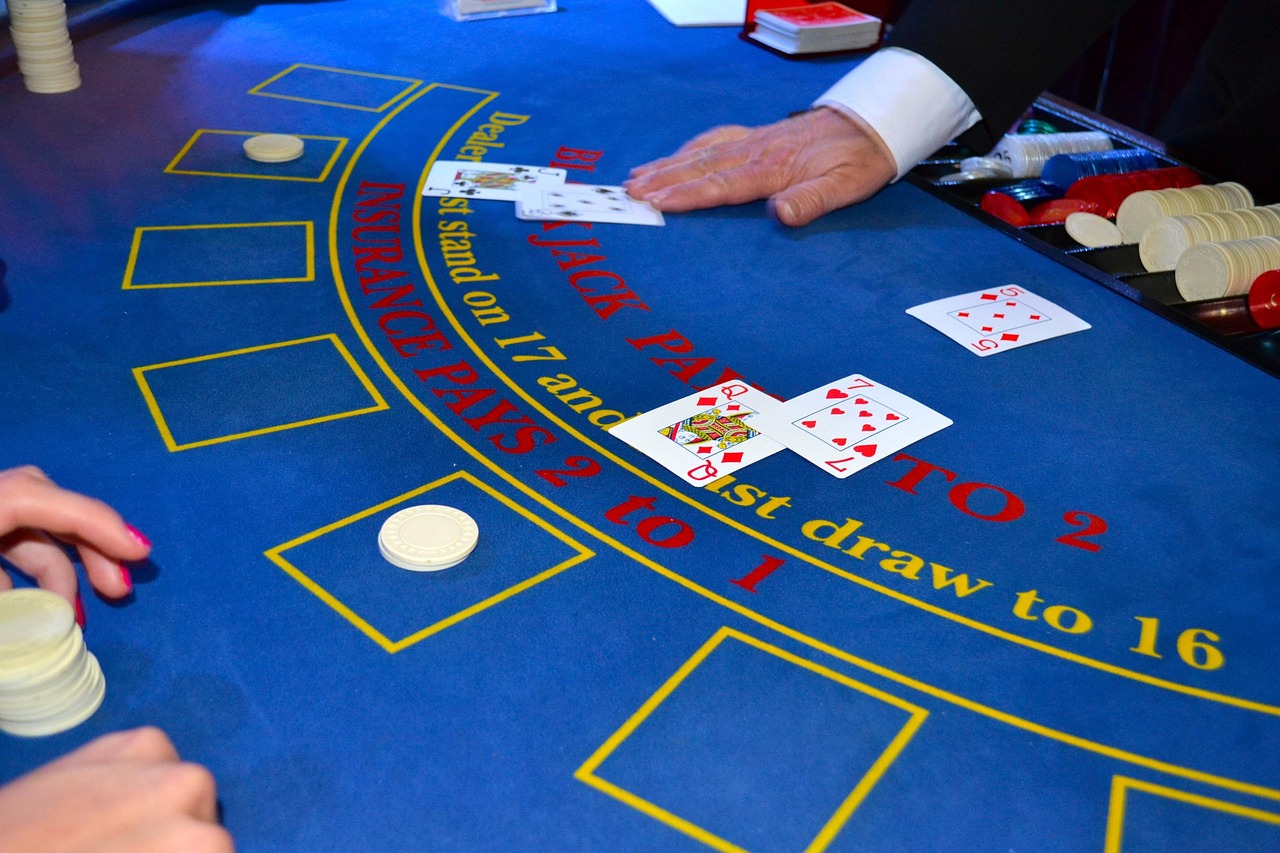
Every action at a regulated blackjack table is designed to be reconstructable from overhead video alone. A dealer's verbal call, a player's stated intention, a pit boss's whispered ruling — none of it appears on the surveillance recording. What appears is the position of cards, the position of chips, and the recognised hand signals between dealer and player. This is why blackjack feels stiffly choreographed: every gesture is a piece of evidence in a hypothetical future dispute. Casinos lose roughly $70-130 per disputed hand in surveillance review labour and comped chips, so the procedural cost of silence-by-camera is justified.
The Nevada Gaming Control Board's Regulation 5.110 — alongside its implementing Minimum Internal Control Standards (MICS) — provides the modern template. Macau's DICJ has its own near-identical instructions in Mandarin and Portuguese, and most European jurisdictions inherit the British Gambling Commission's Approved Codes of Practice for Casino Card Games. What follows is the synthesis a working player needs.
II. Hand Signals — The Four That Matter
Every blackjack player must know four signals. They are non-negotiable in face-up shoe games.
- Hit — scratch or tap the felt directly behind your cards with one or two fingers, pulling toward yourself. In pitch games, gently scrape the corner of your face-down cards against the felt.
- Stand — wave a flat, horizontal palm side-to-side just above your bet, parallel to the table. In pitch games, slide your cards face-down under the chips of your bet.
- Double — place an additional bet equal to your original wager beside (not on top of) the original chips, and extend one index finger pointing downward. The dealer will then issue exactly one card, often dealt sideways across your hand to mark the doubled status.
- Split — place a second bet equal to your original beside the first, and form a V with index and middle finger. The dealer separates the pair into two hands and deals a second card to each.
Surrender is not signalled by hand; it is verbalised and confirmed with a horizontal index finger drawn across the felt behind the bet, like an underline. The dealer responds by sliding the cards into the discard rack and pulling half the bet to the chip tray.
III. Chip Placement — The Geometry of the Bet
Chips are placed within the printed betting circle (or rectangle) in a single stack, large denominations on the bottom. This stacking convention — called 'barber-pole prohibition' — exists because surveillance must read the bet from a 30-degree overhead angle. Mixed stacks (red on green on black) are tolerated but slow play. A neat stack of identical denominations is the professional norm.
Once cards are dealt, the bet may not be touched. Adding a chip, removing a chip, or tilting the stack to inspect it after the deal is called 'past-posting' and is the single most-prosecuted form of casino cheating. In Nevada under NRS 465.070 it is a Category B felony. The procedural answer is brutal: if you need to adjust the bet, do it before the dealer's first card. After that, hands off.
For doubles and splits, the additional chips go beside, never on top of, the original stack. Stacking on top is ambiguous on camera — it could be a top-up rather than a double — and dealers are trained to push such stacks back and re-prompt.
IV. The Dealer's Hole-Card Check — Peek Devices and No-Peek Rules
When the dealer's up-card is an Ace, the dealer offers insurance (a side bet that pays 2:1 if the dealer has blackjack), waits 5-10 seconds for declines and acceptances, then checks the hole card via an optical peek device built into the table felt near the dealer's tray. The check is silent: a green LED visible only to the dealer means no blackjack; a red LED means blackjack and the dealer turns the hole card face-up immediately. All players' main bets are collected (except those with their own blackjack, which push).
When the dealer's up-card is a 10-value (10/J/Q/K), the peek is done silently with no announcement to players (because there is no insurance to offer). If the hole card is an Ace, the dealer reveals immediately and the hand ends.
Under the European No-Hole-Card rule, the dealer takes only one card to start and does not take the second card until after all players act. Players who split or double against a dealer Ace or 10 can lose their entire doubled or split investment if the dealer's eventual second card produces blackjack. The procedural compensation is that some European casinos restrict doubling to hard 9-11 only on Ace up-cards.
V. The Shoe — Loading, Cut Card, Penetration
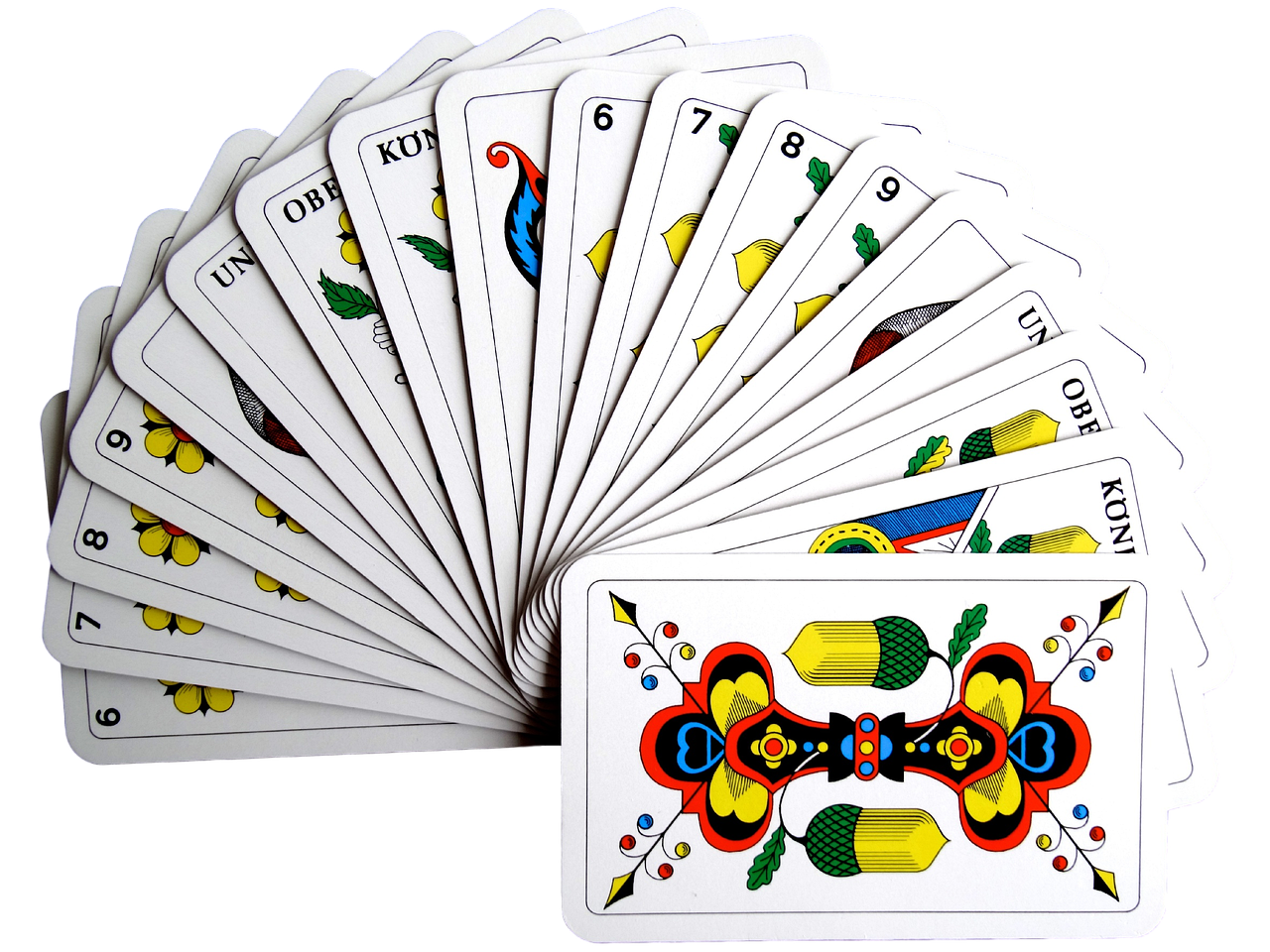
A standard North American blackjack shoe holds six 52-card decks (312 cards); high-limit rooms often use eight. The decks are shuffled together — historically by hand in a 'wash' on the felt, increasingly by automatic shuffler in the pit. After the shuffle the dealer offers a player the cut card, a solid plastic card (typically yellow) inserted into the stack to mark where the dealer will reshuffle. When the cut card appears mid-shoe, the current round completes and a new shuffle begins.
Cut-card placement is procedural: in counter-friendly jurisdictions it sits roughly 1-1.5 decks from the bottom (deep penetration ≈ 75-80%). In modern Vegas, the cut card is placed 1.5-2.5 decks from the bottom (penetration ≈ 60-67%), which materially reduces the value of card counting. The cut card is also why shoe games never expose the bottom card: the cut prevents reading and exploitation of bottom-deck composition.
VI. Surrender — Late vs Early, and When It's Offered
Surrender is the option to forfeit half your bet and end the hand before drawing further cards. Two variants exist:
- Late surrender — offered after the dealer has checked for blackjack. This is the modern North American standard at the very few tables that still offer it. The player loses only against a dealer non-blackjack; against a dealer blackjack the full bet is already lost. Value: ~0.07% lower house edge.
- Early surrender — offered before the dealer checks the hole card, allowing the player to surrender even into a potential dealer blackjack. This is dramatically more player-favourable (~0.39% edge reduction against Ace, ~0.24% against 10) and is now nearly extinct outside Atlantic City pre-1981 nostalgia.
To surrender, say 'surrender' clearly and draw an index finger horizontally across the felt behind your bet. The dealer slides your cards aside and pulls half the bet. Surrender is never available after a hit, double, or split — only on the first decision of the hand.
VII. Insurance — When It's Offered and How To Decline
When the dealer's up-card is an Ace, the dealer announces 'Insurance open' and waits. Players who want insurance place a side bet of up to half their main wager in the printed insurance line in front of their bet. The dealer then peeks at the hole card.
If the dealer has blackjack: insurance pays 2:1 (the side bet wins enough to cancel the main loss), main bet loses, hand ends. If the dealer does not have blackjack: insurance side bet is lost immediately, main hand continues normally.
The procedural decline is simple: do nothing, keep your hands away from the bet, and the dealer moves on after the timeout. There is no signal to 'wave off' insurance — the absence of an insurance bet is itself the decline. Even-money on a player blackjack is the same proposition wrapped differently: declining is the mathematically correct default at every count below True +3.
VIII. The Dispute Chain — Dealer to Shift Manager
If something is wrong — a misdealt card, a wrong payout, a missed signal — the procedure is fixed:
- Freeze everything. Do not touch cards or chips. The hand must remain reconstructible.
- Dealer call. The dealer summons the Floor Supervisor — typically a uniformed employee standing within sight of the pit.
- Floor review. The Floor Supervisor inspects the layout, asks the dealer to narrate, and rules. Most disputes (~85%) end here.
- Pit Boss. If unresolved, the Pit Boss for that section reviews. Surveillance footage may be pulled — this typically takes 5-15 minutes.
- Shift Manager. Final on-floor authority. Any further escalation is to corporate complaints and the state regulator.
Regulatory appeal windows are short. In Nevada, complaints to the Gaming Control Board must be filed within 7 days; in New Jersey, 30 days; in Macau, 10 working days to the DICJ. Always request a written incident report number before leaving the property.
IX. Color-Up, Tipping, and Leaving the Table
To leave: wait for the hand to complete, then say 'color me up.' Push your chips forward. The dealer stacks them, counts down on camera (typically in stacks of 20), declares the total to the floor for verification, and passes you the consolidated chips. Color-ups always happen at the table — not at the cage — to preserve the casino's win-tracking against that specific game.
Tipping is optional and procedural: the standard is either to drop a chip in the dealer's toke box at the end of the session, or to place a tip-bet (a chip on the felt just outside your betting circle) that wins or loses alongside your main bet. The latter is dealer-preferred because it gives the dealer agency in the outcome.
X. Rule-Variant Procedural Differences
| Rule | Procedural impact | Edge delta |
|---|---|---|
| S17 (dealer stands soft 17) | Dealer auto-stands at 17 regardless of soft/hard | baseline |
| H17 (dealer hits soft 17) | Dealer takes one more card on Ace-6 | +0.22% |
| DAS (double after split) | Doubling allowed on first card of split hands | −0.14% |
| RSA (resplit aces) | Pair of aces may be split again if another Ace arrives | −0.08% |
| Late surrender | Half-bet forfeit available after dealer peek | −0.07% |
| European no-hole-card | Dealer takes second card last; doubles/splits lose to dealer BJ | +0.11% |
| 6:5 natural payout | Blackjack pays $12 on $10 vs $15 | +1.39% |
| Continuous shuffler (CSM) | Each hand returns to shuffler immediately | +0.014% (kills counting) |
XI. FAQ · Sources · Responsibility
Why must I use hand signals instead of just telling the dealer to hit?
What is the difference between S17 and H17 and how do I know which I'm playing?
How does the dealer check for blackjack — and why is the procedure so theatrical?
Can I touch the cards in a face-up shoe game?
What happens when I want to dispute a payout or a missed call?
What is 'color-up' and when does it happen?
Sources
- Baldwin, Cantey, Maisel & McDermott (1956), The Optimum Strategy in Blackjack, JASA, vol. 51
- Edward O. Thorp (1962), Beat the Dealer, Random House
- Michael Shackleford ("Wizard of Odds"), Blackjack Rule Variations and House Edge, wizardofodds.com
- Nevada Gaming Control Board, Regulation 5.110 and MICS for Card Games
- UNLV Center for Gaming Research, Las Vegas Strip Blackjack Rule Survey 2024